


AGRICULTURAL TRAINING CENTER
Engineers Without Borders Israel, the Nakuru County Agricultural Training Center (ATC), and the Nakuru County Ministry of Agriculture, Livestock, and Fisheries have joined forces to promote climate-smart, locally adapted technologies for food security. Together, we established an Innovation Hub that focuses on research, development, and practical solutions to empower farmers and the local community.
The Innovation Hub serves as a center for sustainable practices, empowering farmers with practical tools and knowledge to enhance productivity while safeguarding the environment.
The hub promotes food security, resource efficiency, and resilience in Nakuru County by focusing on sustainable cultivation of Spirulina, Duckweed, Azolla, and Black Soldier Fly Larvae (BSFL) for use as food, animal feed, and organic fertilizer. Additionally, it develops a customized toolbox designed to deliver tailored guidance and solutions to farmers, addressing their unique needs and challenges.
KEY OBJECTIVES
R&D and Training Facilities
- Construction of greenhouses and aquaculture ponds using locally sourced materials.
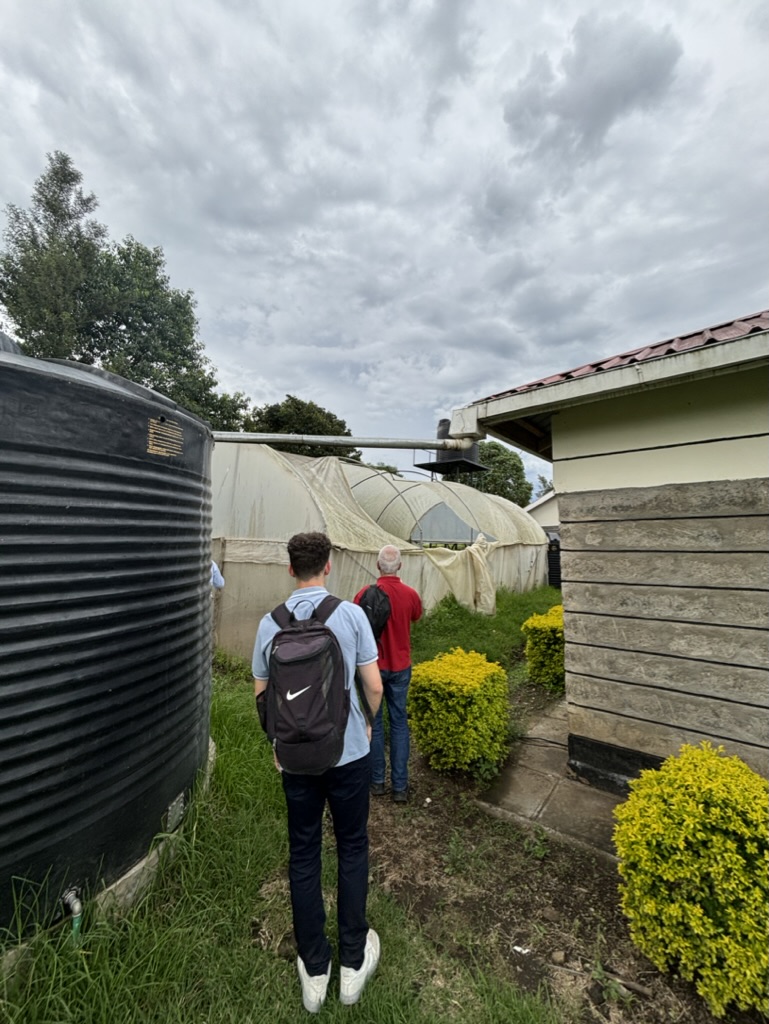
- Structures include a metal-pipe greenhouse, a timber greenhouse, a net house for Black Soldier Fly Larvae (BSFL), and two large aquaculture ponds.
Farmers insight
- Conducting surveys to understand farmers’ needs, barriers, and perceptions.
- Surveys will use online platforms for seamless data collection and analysis.
Demonstrations and training
- Regular demonstrations for visitors, farmers, and trainees at the ATC and other venues.
- Training manuals and guides will be published online and in print for wider accessibility.
Community involvement
- Employing local talent, including a Keriko Secondary School graduate, as a project technician.
- Ongoing professional support from Keriko staff for Spirulina cultivation and R&D.
Data & monitoring
- Daily monitoring of variables like temperature and pH in the pools.
- Implementation of wireless sensor networks for real-time data collection and analysis.
Knowledge sharing
- Collaboration with institutions such as KMFRI, academic bodies, and fisheries departments.
- Hosting workshops, research initiatives, and knowledge-sharing events.